5 Year Warranty
Free Full-Service Installation
Delivery by Appointment

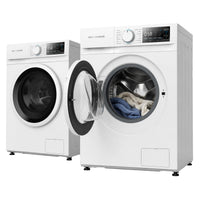
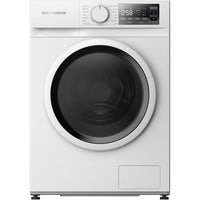
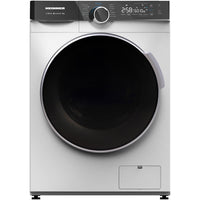
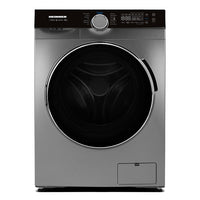
1400 rpm Washing Machines

(30 products)

1400 rpm washing machines: the middle ground in spin speed

A washing machine at 1400 rpm spins faster than a 1200 rpm model, yet stays calmer and steadier than a 1600 rpm machine. That middle position makes 1400 rpm the smartest choice for most households: your laundry comes out of the drum considerably drier, so drying costs less time and electricity, while noise and vibration stay in check. This collection holds 25 Heinner washing machines that spin at 1400 rpm. Still unsure about the right spin speed or capacity? Then start with our washing machine buying guide.

1400 rpm Washing Machines
  • 5-year warranty
  • Free delivery & installation
  • Trusted Shops buyer protection
View as

All about a washing machine with 1400 rpm

A spin speed of 1400 revolutions per minute has been the standard in households for years, and not without reason. It delivers drier laundry without the drawbacks of extremely high spin speeds. Below we explain what the spin speed actually does, how it affects your drying and what else to look at when choosing a Heinner washing machine with 1400 rpm.

What exactly does 1400 revolutions per minute mean?

Revolutions per minute (rpm) indicates how often the drum turns fully in one minute during the spin phase. At 1400 rpm the drum spins fast enough for the centrifugal force to fling the water out of the fibres. The higher the spin speed, the more water comes out and the less residual moisture is left in your laundry. A washing machine with 1400 rpm leaves around 50 per cent residual moisture, measured against the dry laundry weight, which is a fine result for everyday use. Worth knowing: a higher spin speed barely uses any extra electricity itself, but it does pay off during the drying that follows.

Drier laundry, shorter drying time and lower dryer consumption

The big advantage of 1400 rpm lies in what happens afterwards. Because there is less water in the laundry, your dryer has to work less hard to get everything dry. That means a shorter drying cycle and lower electricity use from the dryer, which usually costs far more energy than the washing machine itself. If you hang your laundry out, it is cupboard-dry sooner. Want to lower your energy bill further? Then read our guide on buying an energy-efficient washing machine.

The balance between drying result, noise and vibration

The faster the drum turns, the more force is released and the more noise and vibration your machine makes while spinning. At 1600 rpm that is clearly noticeable, certainly on a less solid floor. At 1400 rpm the machine stays calmer and steadier, while you give up hardly anything on the drying result. That makes 1400 rpm a pleasant choice for flats, bedrooms near the laundry room or houses with a floating floor. For anyone who puts noise first, we have a separate selection on our page about the quiet washing machine.

What else to look at in a Heinner washing machine with 1400 rpm?

Besides the spin speed, look at the load capacity (in kilos), the energy class and handy programmes. A larger capacity is practical for families, while a steam programme reduces creases and allergens; for that, take a look at our washing machine with steam function. All Heinner models in this collection come with a 5-year warranty and are delivered and installed at your home free of charge, so you can start washing right away. Torn between a separate washing machine and a combined appliance? Then browse our full washing and drying category.

FAQ

Frequently asked questions about 1400 rpm washing machines

Cannot find your question here? Feel free to get in touch with us.

Is 1400 rpm enough or should I go for 1600?

For the vast majority of households 1400 rpm is more than enough. The difference in residual moisture compared with 1600 rpm is small, while 1600 rpm gives more noise and vibration and creases delicate fabrics faster. Only choose 1600 if you nearly always put your washing in the tumble dryer and want to save every minute of drying time. Want to be sure? Then use our washing machine buying guide.

What is the difference between 1200 and 1400 rpm?

At 1400 rpm your washing comes out of the drum drier than at 1200 rpm: around 50 per cent residual moisture against 53 per cent. As a result your washing dries faster and your tumble dryer uses less electricity. 1200 rpm is slightly quieter and gentler, but in practice most people mainly notice the benefit of the shorter drying time at 1400 rpm.

Does a higher spin speed use more electricity?

No, the spinning itself uses hardly any extra energy at 1400 rpm. In fact, on balance you often save electricity because your washing comes out of the machine drier, so your tumble dryer does not have to run as long or work as hard. You will find more saving tips in our guide on buying an energy efficient washing machine.

Does a washing machine with 1400 rpm vibrate a lot?

A washing machine with 1400 rpm stays quiet and stable when it is positioned correctly. The vibrations are noticeably lower than at 1600 rpm. Do make sure the machine is level and that the feet are properly adjusted, as this keeps vibration and noise to a minimum. Our engineers position the machine correctly straight away during the free installation.

Can I set the spin speed lower myself?

Yes, on every Heinner washing machine in this collection you can lower the spin speed for each wash. For delicates or wool you might choose a lower spin speed to avoid creasing and wear, while for towels and denim you simply use the full 1400 rpm. That way you always have the right spin speed for your fabrics.

Extra €50 cashback when you collect in person On top of this deal, back in your account right after pickup.
How does it work? →

Compare /3

Loading...